A community focused on traditional food processing and ancestral health.

Ancestral Table
Ancestral Table serves as a dedicated platform for individuals seeking to reconnect with traditional food processing techniques that significantly enhance nutrient availability. The community explores the historical and archaeological foundations of the human diet to understand how our ancestors successfully thrived across different environments. Members participate in deep dives into ancient methods such as natural fermentation and sourdough production to improve the digestibility of many modern ingredients. The program provides a critical bridge between rigorous scientific research and practical applications in the contemporary home kitchen for achieving better health. Participants engage in detailed discussions regarding the ethics of...
Outcomes
- Master traditional food preparation and processing skills
- Understand the archaeological history of human nutrition
- Improve the digestibility of daily food choices
- Connect with a community of ancestral health enthusiasts
What's included?
Exclusive Video Tutorials
Detailed instructional content demonstrates traditional techniques like fermentation and nose to tail cooking for members.
Live Community Workshops
Interactive sessions allow participants to learn directly from experts while discussing ancient foodways and modern health.
Ancestral Recipe Database
A curated collection of recipes focuses on maximizing nutrient density through historically accurate preparation methods.
Who is this for?
- Health enthusiasts seeking evidence based ancestral nutrition guidance
- Home cooks interested in traditional fermentation and food processing
- Individuals wanting to improve their relationship with local food
About the creator
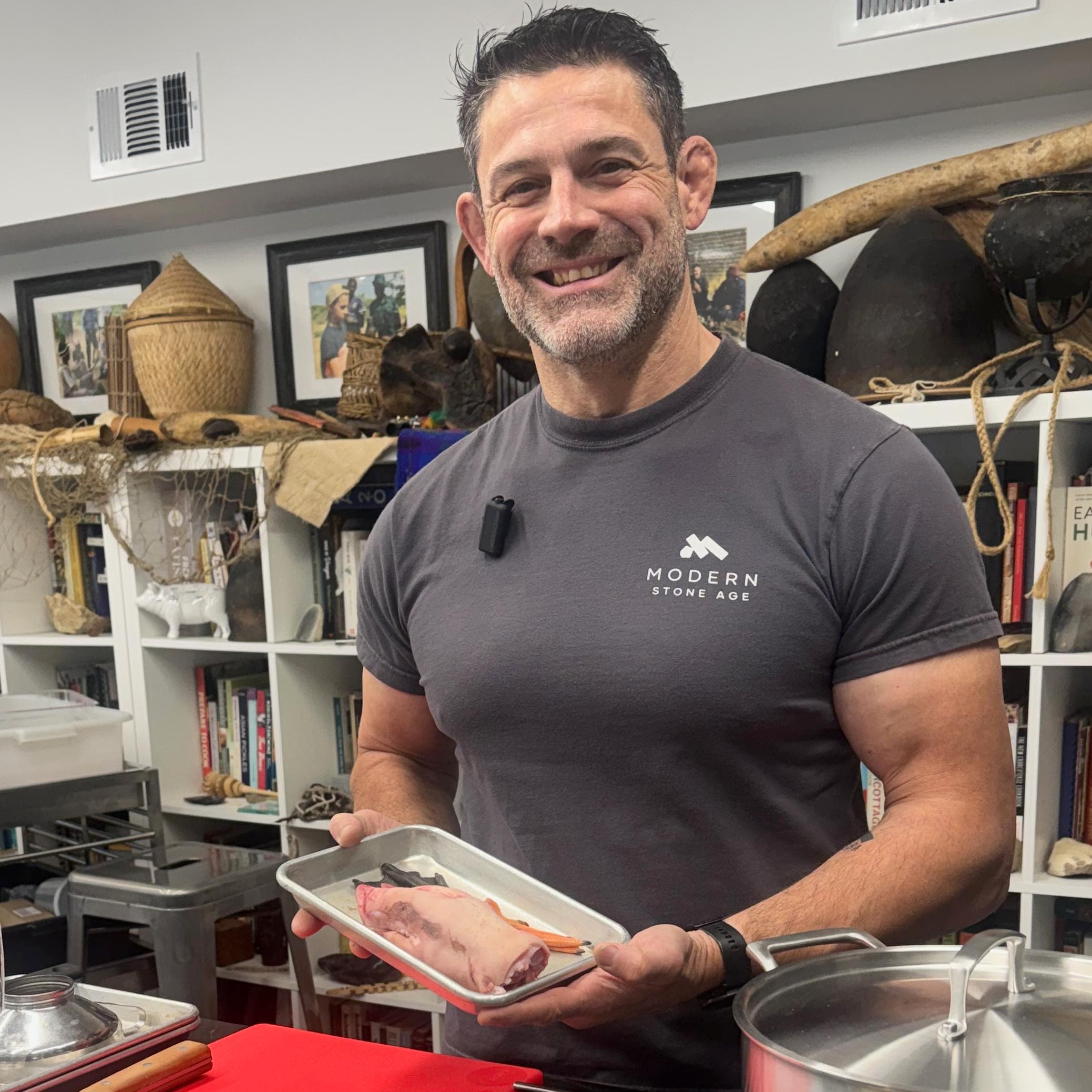
Bill Schindler
Director of the Eastern Shore Food Lab and Author
Dr. Bill Schindler is an anthropologist and archaeologist specializing in primitive technologies and ancestral foodways. He serves as the director of the Eastern Shore Food Lab where he investigates how humans have historically processed food. His wo...